
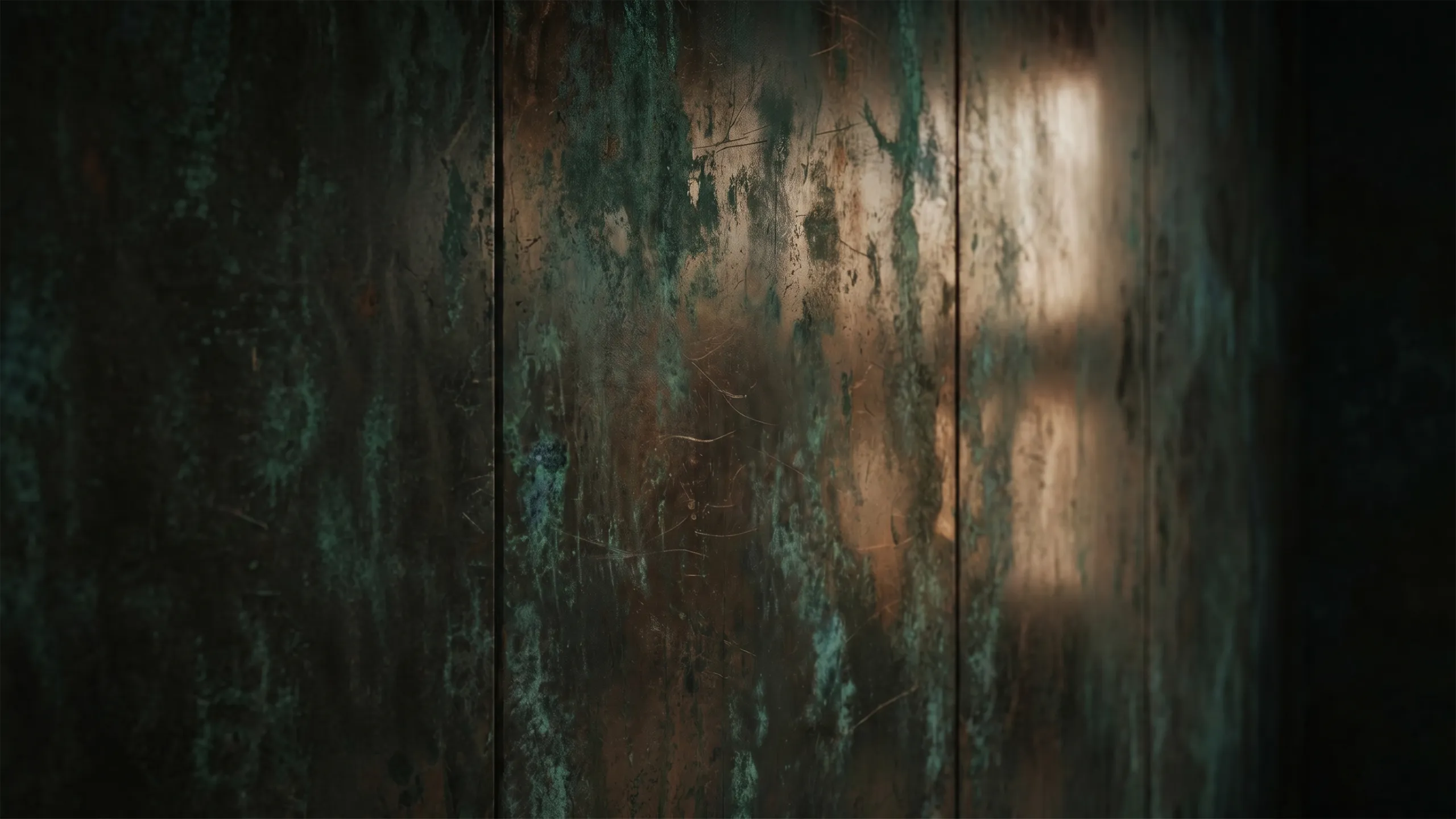
Material is not merely something we see.
The eye perceives part of it, but a deeper dimension reveals itself through touch, use, time, and everyday life. A stone surface, a piece of wood, a sheet of metal, a textile, or a piece of leather is more than color and texture. Each has its own behavior, weight, and response. Chosen with understanding, each can acquire character over time.
This is why selecting a material is never only a matter of appearance.
To choose a material is to understand how it appears today, how it may change tomorrow, and what it might reveal years from now.
Some materials are beautiful on day one but weaken with age. Others may seem quieter at first, yet deepen the longer they live within a space. Wood that is touched, stone walked upon, metal affected by air and humidity, leather softened through use all remind us that material is not a fixed surface.
A genuine material enters into a relationship with time.
In one project, using sheets of copper showed me that a material need not be chosen solely for the color it has on day one. Copper changes with time. It oxidizes. Its surface reacts. It can shift from its initial brightness toward tones that are more muted, deeper, or even green.
If this transformation is not understood from the outset, it may later be mistaken for damage.
But when it is part of the design intent, time ceases to be the material’s enemy. It becomes part of its character.
In this sense, selecting copper is not simply choosing a color or texture. It is choosing a process: something intended to live with the project, to change, and gradually acquire new meaning and presence.
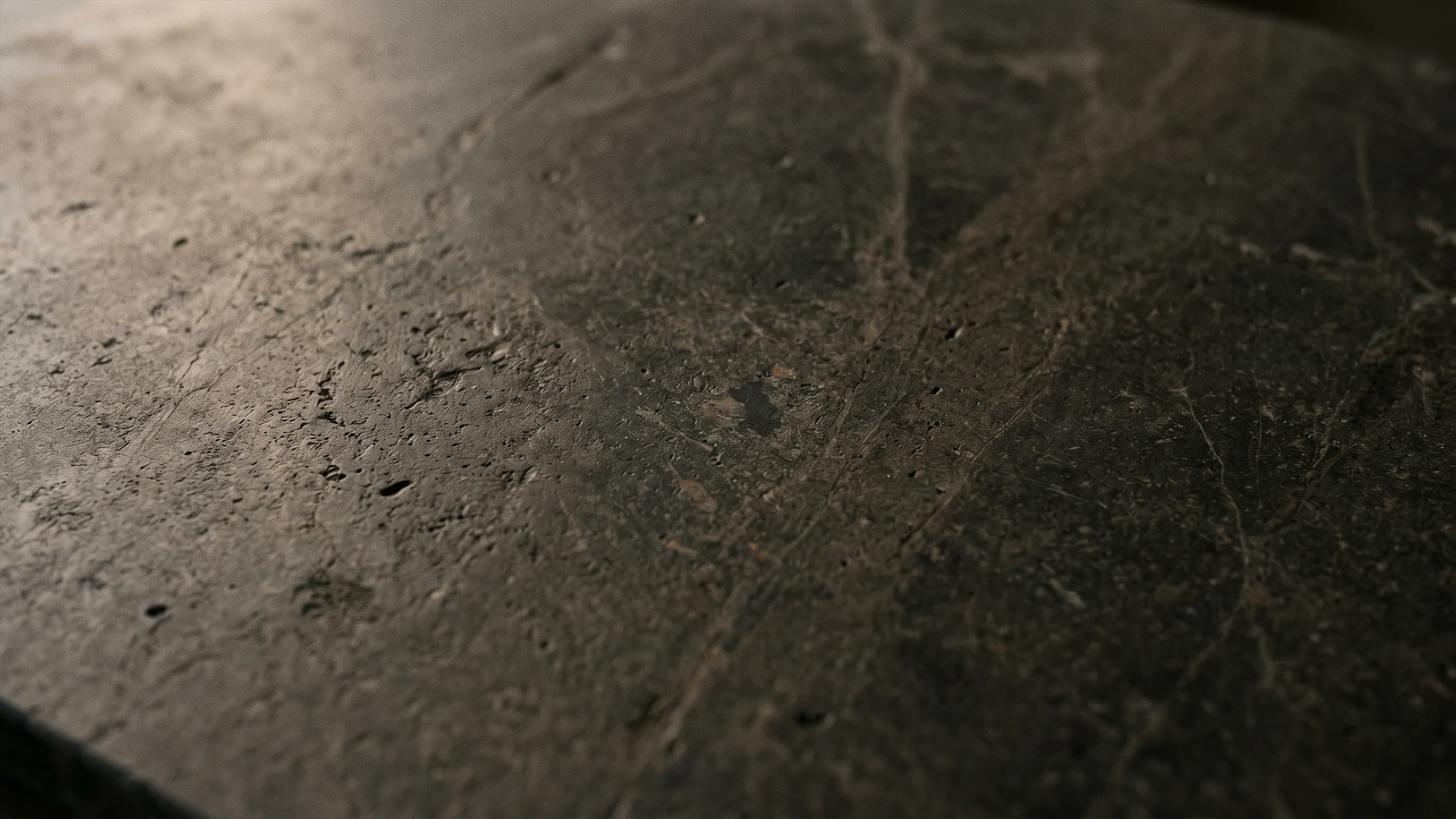
That distinction matters.
Some materials only imitate something else. A surface that looks like stone but is not stone. Wood that carries only the image of wood. A finish that merely imitates metal. These materials may appear convincing at first glance, but they rarely age well; there is nothing in them capable of changing, maturing, or deepening with time.
Authentic materials are not always flawless. They may have veins. They may shift in color. They may react to their environment. Sometimes these very qualities are what make them feel alive.
Yet when such qualities are not understood, they can be misread or poorly used.
A good material does not come alive through selection alone. It must also be handled with care. The direction of the grain, the way it is touched, its relationship with light, its contact with other materials, and its placement within the space can all strengthen or weaken its character.
Even the most valuable material loses part of its quality when used without an understanding of its behavior, weight, and relationship with time.
In interior design and architecture, material should not be selected merely to fill a space. Every material should have a reason for being there. It should be clear why this surface, this texture, this weight, this temperature, this tactile quality, and this behavior have been chosen.
A good material does not always announce itself. Sometimes it is quiet, yet its presence is felt. It may not reveal itself at first glance, but its quality becomes clear through touch, when light rests on it, or as time passes.
This is where material moves beyond surface and becomes experience.
In a good space, material is not there only for the photograph. It must endure everyday life. It should withstand touch, light, air, humidity, use, and time without losing its integrity or meaning. It should become part of the memory of the space, not merely part of its image.
Perhaps this is why selecting materials is one of the most important decisions in design.
Choosing a material is not merely choosing for today. It is choosing the future of the space.
Material comes alive when it is understood, used with care, and allowed to contribute to the space over time, not only on the day of handover, but throughout the years that follow.